Blog
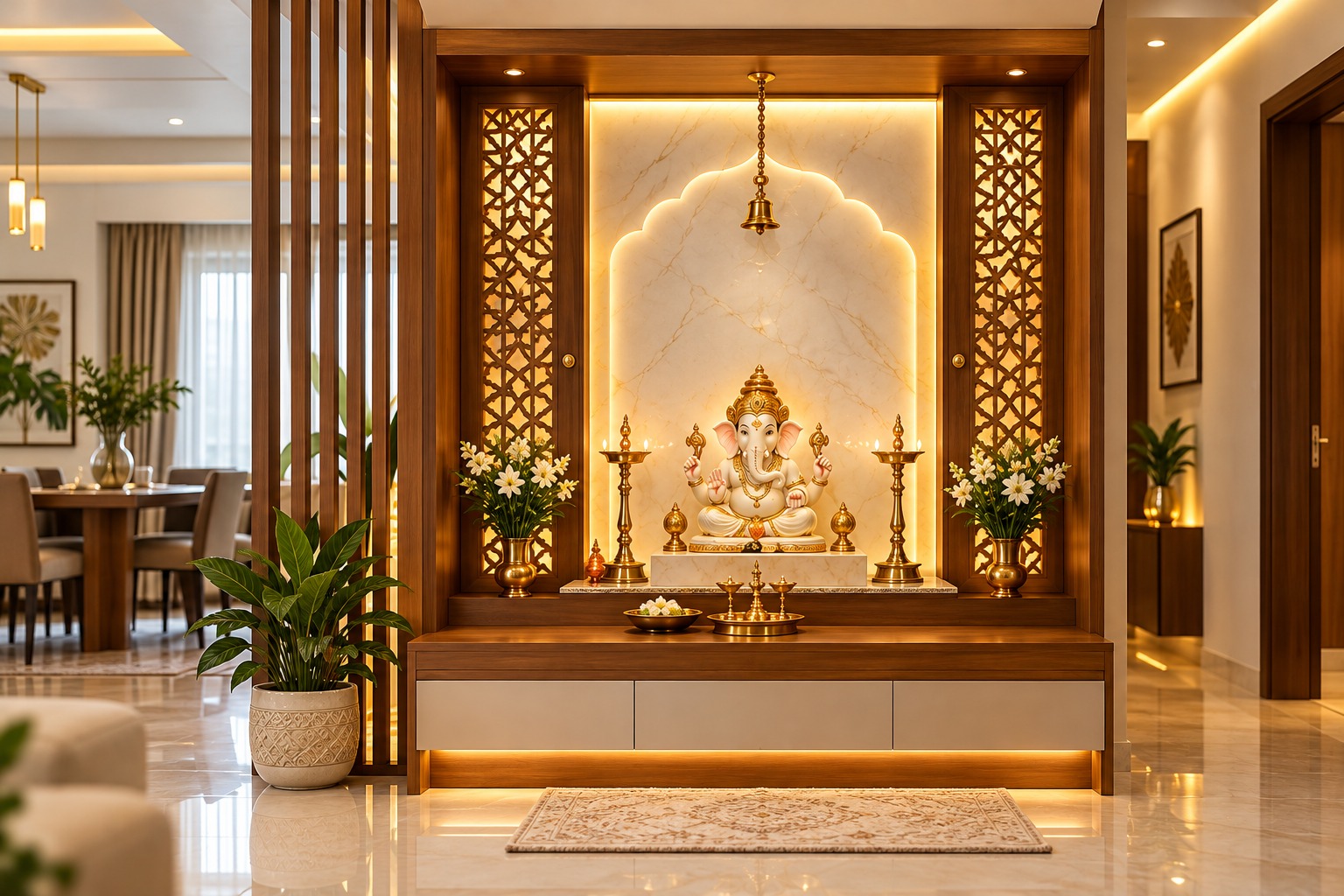
Correct Mandir Direction in Home: Vastu Tips & Common Mistakes to Avoid Creoniq Interiors
A home mandir is more than just a place of worship; it is a peaceful corner where families connect with their spiritual beliefs and find moments of calm. In Indian homes, mandir design often combines traditional Vastu Shastra principles with modern interior design to create a sacred, beautiful, and functional space. Choosing the correct mandir direction in your home, selecting the right location, and maintaining a clutter-free prayer area can help create a serene atmosphere.
Whether you live in an apartment or an independent house, thoughtful planning can make your pooja room both spiritually meaningful and visually appealing. At Creoniq Interiors, we believe that a well-designed home mandir should reflect your personal beliefs while complementing your home's overall interior style. In this guide, we explore Vastu tips for mandir direction, common mistakes to avoid, and practical design ideas for modern homes.
What Is the Correct Mandir Direction in a Home?
According to commonly followed Vastu Shastra principles, the northeast direction, also known as Ishan Kon, is traditionally considered an auspicious location for a home mandir. However, the most suitable placement also depends on your home's layout, available space, and practical requirements.
Here are some commonly recommended mandir placement guidelines:
- Northeast direction: Traditionally preferred for a pooja room or prayer corner.
- East direction: Often considered a suitable alternative for a home mandir.
- West direction: May be considered when the home's layout does not allow northeast or east placement.
- North direction: Another option sometimes considered, depending on the home's arrangement and individual Vastu preferences.
These recommendations are based on traditional Vastu beliefs rather than scientifically established effects. Choose a location that is comfortable, respectful, and practical for your family.
Best Location for a Mandir in Different Types of Homes
1. Mandir Direction in Apartments
Apartments often have limited space, making it important to use available areas efficiently. A compact mandir can be incorporated into the living room, a dedicated prayer corner, or a suitable niche.
- Choose a quiet corner away from heavy foot traffic.
- Use a wall-mounted mandir to save floor space.
- Add a decorative wooden or marble backdrop.
- Install warm lighting to create a peaceful atmosphere.
- Use drawers or concealed storage to keep pooja essentials organised.
For smaller apartments, a custom-designed mandir can provide a dedicated spiritual space without making the room feel crowded.
2. Mandir Direction in Independent Houses
Independent homes may offer the flexibility to create a separate pooja room. If space allows, consider a dedicated area that offers privacy, ventilation, and easy access.
- A traditional wooden or stone mandir.
- A decorative back panel with subtle patterns.
- Storage for prayer books and religious accessories.
- Soft, warm lighting around the deity.
- Easy-to-clean flooring and surfaces.
The northeast corner is traditionally preferred in Vastu-based planning, but the final placement should also consider the floor plan and household needs.
3. Mandir Placement in Small Homes
A separate pooja room is not essential for every home. Even a small, thoughtfully designed prayer corner can feel inviting. Space-saving options include floating shelves, compact wooden units, recessed wall niches, and foldable mandir designs. Neutral colours, simple detailing, and concealed storage can help maintain a clean and elegant appearance.
Vastu Tips for Home Mandir Design
1. Choose a Suitable Direction
When planning a mandir according to Vastu, consider the northeast direction first, followed by suitable alternatives based on your home's layout. Avoid making structural changes solely to achieve a particular direction without considering safety and practicality.
2. Consider the Direction You Face While Praying
Some Vastu traditions recommend that people face east or north while praying. The appropriate arrangement depends on the placement of the mandir and the orientation of the idols. Plan the unit so that there is enough space to sit or stand comfortably during daily prayers.
3. Select Calm and Harmonious Colours
White, cream, beige, light wood, and soft pastel shades can create a peaceful visual atmosphere. Traditional homes may incorporate warm wood finishes, while contemporary interiors can use marble textures, subtle brass accents, and understated decorative panels.
4. Keep the Mandir Clean and Organised
A tidy prayer area is easier to maintain and more pleasant to use. Provide dedicated storage for incense, lamps, prayer books, and other essentials. Avoid overcrowding the mandir with unnecessary decorations.
5. Plan Lighting Carefully
Consider warm LED lights, concealed backlighting, or small decorative fixtures. Ensure that electrical installations are safe and that lights are positioned away from open flames.
6. Choose Durable and Easy-to-Maintain Materials
Finished wood, marble, granite, and quality laminates can work well for different mandir styles. Select materials based on your budget, maintenance preferences, and the overall interior design. If you use traditional oil lamps or incense, keep combustible materials at a safe distance and provide suitable ventilation.
Common Mandir Direction Mistakes to Avoid
1. Ignoring Available Space
Trying to fit a large mandir into a small room can make the space uncomfortable and cluttered. Choose a unit that suits the room's proportions and leaves sufficient clearance for prayer and movement.
2. Placing the Mandir in a High-Traffic Area
A mandir positioned directly in a busy passage may lack privacy and can interrupt everyday movement. Whenever possible, choose a quiet corner or create a subtle partition to define the prayer area.
3. Neglecting Storage Requirements
Without proper storage, prayer accessories can accumulate on the mandir surface. Include drawers, shelves, or cabinets to keep everyday essentials organised.
4. Using Excessive Decorative Elements
Too many colours, patterns, lights, and accessories can make the mandir appear visually crowded. Select a few meaningful decorative features and maintain a balanced design.
5. Overlooking Ventilation and Fire Safety
Incense and oil lamps require care. Keep flames away from curtains, wooden panels, flowers, and other combustible materials. Ensure adequate ventilation and never leave an open flame unattended.
6. Following Vastu Without Considering Functionality
Vastu preferences can guide the initial layout, but the design should also account for electrical points, ventilation, accessibility, available space, and the needs of everyone in the household. Avoid blocking doorways or compromising structural safety simply to accommodate a preferred direction.
Modern Home Mandir Design Ideas by Creoniq Interiors
Wooden Mandir Designs
Wooden mandirs suit both traditional and contemporary interiors. Carved details can create a classic appearance, while clean lines and natural finishes work well in modern apartments.
Marble Mandir Designs
Marble finishes offer a refined and timeless look. White or cream surfaces can make a prayer corner appear brighter, while subtle veining adds visual interest without excessive decoration.
Wall-Mounted Mandirs
Wall-mounted units are ideal for compact homes. They help save floor space and can incorporate concealed storage, decorative back panels, and integrated lighting.
Mandir Designs with Backlit Panels
Soft backlighting can highlight the mandir's backdrop and create a warm atmosphere. Choose lighting that is gentle rather than overly bright, and ensure that the electrical components are professionally installed.
Mandir Designs with Partitions
A decorative partition can create a sense of privacy when the mandir is located in the living room. Wooden slats, patterned panels, or thoughtfully designed screens can separate the prayer area while allowing the overall space to feel open.
How to Design a Vastu-Inspired Mandir in Your Home
Planning a home mandir involves more than choosing a direction. A successful design balances traditional preferences with practical interior planning.
- Assess the floor plan: Identify suitable locations based on the home's layout and available space.
- Choose the mandir size: Select dimensions that allow comfortable movement and easy maintenance.
- Plan the orientation: Consider traditional Vastu preferences alongside the practical requirements of your household.
- Select materials and colours: Match the mandir to your existing interiors.
- Add appropriate lighting: Create a warm atmosphere while maintaining electrical and fire safety.
- Include functional storage: Keep prayer essentials accessible without overcrowding the unit.
- Review the final layout: Check accessibility, ventilation, lighting, and ease of cleaning before installation.
For a customised design, an interior designer can help integrate the mandir into your home while making the best use of the available space.
Why Choose Creoniq Interiors for Your Home Mandir Design?
At Creoniq Interiors, thoughtful planning and attention to detail help transform everyday spaces into functional and visually harmonious interiors. A home mandir can be designed to reflect your family's traditions while complementing the style of your living room, bedroom, or dedicated pooja room.
From space-saving wall-mounted units to elegant wooden mandirs and contemporary prayer corners, a personalised approach helps balance aesthetics, storage, lighting, and practical requirements.
Whether you are designing a new home or renovating an existing space, consider a mandir design that feels natural within your interiors and supports your family's daily routine.
Frequently Asked Questions (FAQs)
1. Which direction is best for a mandir in a home?
According to commonly followed Vastu Shastra principles, the northeast direction is traditionally preferred for a home mandir. East may also be considered, depending on the home's layout.
2. Can I place a mandir in my living room?
Yes. A mandir can be placed in the living room if a suitable, respectful, and relatively quiet area is available. Wall-mounted units and decorative partitions can help define the prayer space.
3. Can I have a mandir in a small apartment?
Yes. Compact wall-mounted mandirs, recessed niches, and small prayer corners can work well in apartments with limited space.
4. Which colours are suitable for a home mandir?
White, cream, beige, light wood, and soft pastel shades are popular choices for creating a calm and harmonious appearance. The final choice can reflect your personal preferences and interior style.
5. What are the common mistakes to avoid when designing a mandir?
Common mistakes include overcrowding the space, inadequate storage, poor lighting, inconvenient placement, insufficient ventilation, and neglecting fire safety.
6. Can a modern mandir follow traditional Vastu preferences?
Yes. A modern mandir can incorporate traditional placement preferences while using contemporary materials, concealed storage, minimal detailing, and subtle lighting.
7. How can Creoniq Interiors help with home mandir design?
Creoniq Interiors can help homeowners plan interior spaces with attention to aesthetics, functionality, material selection, and the integration of a mandir into the overall home design.

